
St. George winters are short and mild, and summers are anything but. That changes the usual heat pump versus furnace advice, and it's worth understanding before you replace anything.
Ask the heat pump versus furnace question in a cold northern climate and you'll get a settled answer. Ask it in St. George and the answer shifts, because our weather doesn't look like anyone else's. We spend most of the year fighting heat, our winters are short and mild, and the cold that does show up arrives as overnight snaps rather than weeks of it. That flips a lot of the standard advice on its head, and it's worth understanding why before you replace anything.
How a Furnace Heats, and How a Heat Pump Moves Heat
A gas furnace makes heat. It burns natural gas inside a sealed heat exchanger, the blower pushes your home's air across that hot metal, and warm air heads out through the ducts. It's simple, it's been the standard in Utah homes for generations, and it delivers a strong blast of hot air the moment it fires.
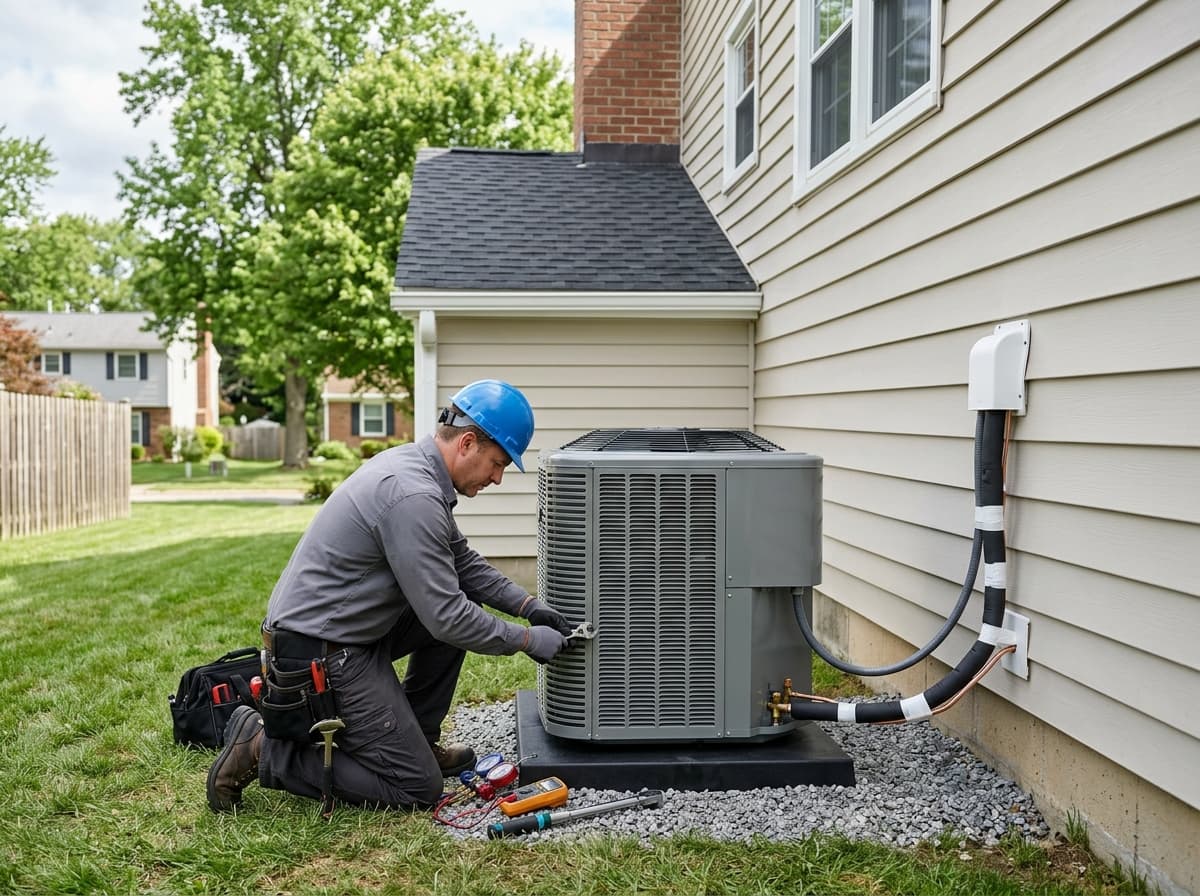
A heat pump doesn't make heat. It moves it. Even on a cold morning there's heat energy in the outdoor air, and a heat pump uses refrigerant to pull that heat inside and release it through your ductwork. In summer it runs in reverse, pulling heat out of your house and pushing it outside, which is exactly what your air conditioner does today. That's the part people miss: a heat pump is a heater and an air conditioner in one piece of equipment.
Why Our Mild Winters Change the Math
The knock on heat pumps has always been cold weather. The colder the outdoor air, the less heat there is to move, and in a place with weeks of sub-freezing days a heat pump leans on its backup heat more than anyone would like. That's a real limitation, and it's why the furnace stays king up north.
St. George is not that place. Our winter days are usually mild enough that a heat pump runs in its sweet spot, and the cold nights we do get are short and bounce back by mid-morning. A modern heat pump handles a typical Southern Utah winter without strain, and the handful of genuinely cold snaps each year are exactly what backup heat is for. Up north that worry lasts for months. Here it's a few nights.
The Tradeoffs Worth Knowing
None of this makes a heat pump the automatic answer. The tradeoffs come down to your house.
Backup heat. When outdoor temperatures drop far enough, a heat pump alone can't keep up and switches to a backup source, usually electric heat strips inside the air handler. In our climate that's rare, but it has to be set up correctly at installation, not discovered on the coldest night in January.
Gas at the home. If your house already has a gas line feeding a furnace, replacing like for like is the simplest path and the gas option stays open. If your home is all-electric, a heat pump is the natural fit and skips the hassle of running a new gas line.
Ductwork and equipment age. Both systems rely on your existing ducts, so leaky or undersized ductwork hurts either one. And the age of your current furnace and AC matters more than almost anything else.
The feel of the air. A furnace delivers hot air in short, intense bursts. A heat pump delivers warm air over longer, gentler cycles. Some people love the steadier temperature. Others miss the blast at the register. Neither is wrong, but know which you prefer before you sign anything.
One System for Heating and Cooling
Here's the piece that reshapes the whole decision in Southern Utah. A furnace only heats. Your air conditioner, the outdoor unit that carries your house through summer, is a separate machine with its own lifespan. A heat pump replaces both.
That matters because in St. George the AC works hardest and wears out first. It runs for months straight, often around the clock, while the furnace gets light duty for a few months. If your AC is aging out and your furnace is close behind, a heat pump means one installation instead of two and one system to maintain. If your furnace is nearly new and only the AC is tired, a straight AC replacement may be the smarter move.
Dual-Fuel: The Middle Path
A third option suits a lot of Southern Utah homes: a dual-fuel system, which pairs a heat pump with a gas furnace and lets the two share the job. The heat pump handles cooling all summer and heating through the mild stretches of winter, which around here is most of it. When a real cold snap arrives, the system hands off to the furnace instead of electric heat strips.
For a home that already has gas and a furnace in decent shape, dual-fuel lets you replace a worn-out AC with a heat pump, keep the furnace you own, and get the strengths of both. It's a bigger project than a simple AC swap and adds complexity to the controls, so it isn't for everyone. For the right house, it's a genuinely good answer.
Questions to Answer Before You Decide
Before anyone quotes you equipment, get clear on a few things about your own home.
How old is your air conditioner, and how old is your furnace? If they're close in age and both nearing the end, a heat pump that replaces both makes sense. If one is new, protect it.
Does your home have gas? Look for a gas meter outside, or a gas water heater or range inside. If you have it, a furnace or a dual-fuel setup stays on the table. If you don't, a heat pump is almost always the answer.
How well is your home insulated and sealed? A heat pump does its best work in a house that holds its temperature. Older St. George homes with thin attic insulation and drafty windows ask more of any system, and a heat pump will lean harder on backup heat during cold snaps. Sometimes the right first step is insulation, not equipment.
What do you actually want from the system? Steadier temperatures, lower noise, one piece of equipment, a strong blast of heat on winter mornings. Say it out loud. The answer narrows the options fast.
What an In-Home Assessment Looks At
Whatever you're leaning toward, the decision belongs in your house, not over the phone. A proper assessment starts with the existing equipment: age, condition, and whether the ductwork is sized and sealed well enough to support whatever comes next. Your technician should check that the electrical panel can carry a heat pump and its backup heat, confirm gas service and where the line runs, and get into the attic to look at insulation depth and duct leaks.
They should also ask how the house feels now. Rooms that never get comfortable, a bedroom that's always the wrong temperature, a system that runs constantly in July: those are clues about duct problems and sizing that a new unit alone won't fix. The goal is a recommendation that fits your home and how you live in it, not the same box for every address in Washington County.
When to Call Marlin
If your AC struggled through this summer, your furnace is showing its age, or you're trying to decide which direction makes sense, we can walk you through it in person. Marlin handles heat pump services, furnace installation, and AC installation across St. George and the surrounding Southern Utah communities, and we'll give you a straight answer about which one fits your house.
We've been keeping Southern Utah homes comfortable since 1978, and we've installed plenty of each. Reach out and we'll set up an in-home assessment that looks at your equipment, ductwork, and goals first.

Marlin Plumbing Heating & Air
Serving St. George, Utah since 1978